
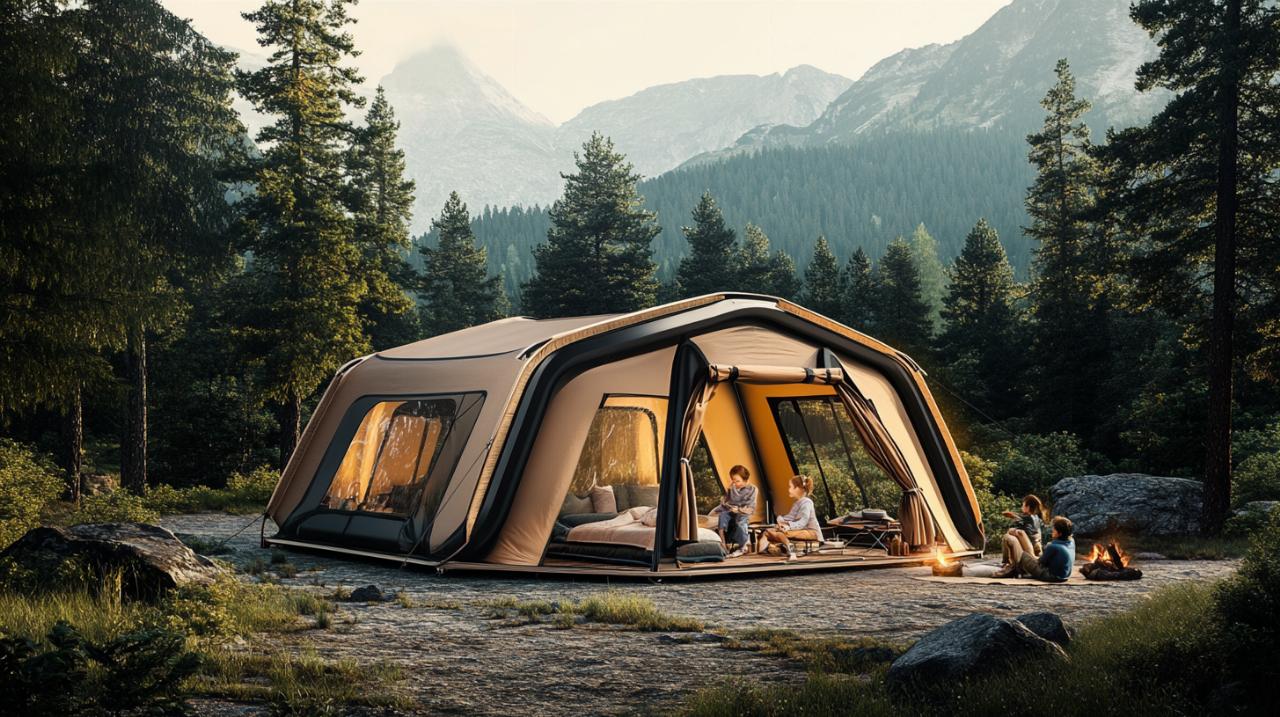
As the great British outdoors beckons and families increasingly seek memorable adventures beneath canvas, the quest for the perfect tent has evolved far beyond mere shelter. Modern families now demand accommodations that rival home comforts whilst withstanding the unpredictable weather patterns that characterise our beloved countryside. Whether you’re planning a week-long expedition to the Lake District or a weekend retreat in the Cotswolds, selecting the right tent transforms camping from endurance test to cherished tradition. This comprehensive guide navigates the sometimes bewildering marketplace of premium family tents, ensuring your investment delivers years of comfortable outdoor experiences.
Essential Features and Specifications for Luxury Family Tents
Space Requirements and Layout Configurations for Large Groups
When selecting accommodation for family camping, the temptation to trust manufacturer specifications regarding capacity often leads to disappointment. Industry standards typically calculate tent capacity based on bodies lying shoulder to shoulder with no allowance for luggage, airbeds, or the reality of family life. Seasoned campers recommend choosing a tent rated for twice your actual party size. A family of four genuinely benefits from an eight-person tent, whilst larger households should seriously consider ten-person models to ensure genuine comfort rather than mere survival. The Robens Klondike represents an excellent illustration of this principle, providing spacious living quarters that accommodate families without requiring everyone to adopt yogic flexibility simply to move about.
Interior configuration matters tremendously when planning extended stays under canvas. Modern premium tents frequently feature separate sleeping compartments connected by a central living area, creating distinct zones for rest and socialising. The Olpro Orion six-berth model exemplifies this approach with room separators that establish privacy boundaries, particularly valuable when travelling with teenagers or hosting friends. Skylight windows in roof panels illuminate interiors naturally during daylight hours, reducing the cave-like atmosphere that characterises budget alternatives. Standing height throughout main areas proves essential for longer trips, with cabin-style designs like the Coleman Weathermaster offering full headroom that permits adults to dress comfortably and move freely without adopting a perpetual crouch.
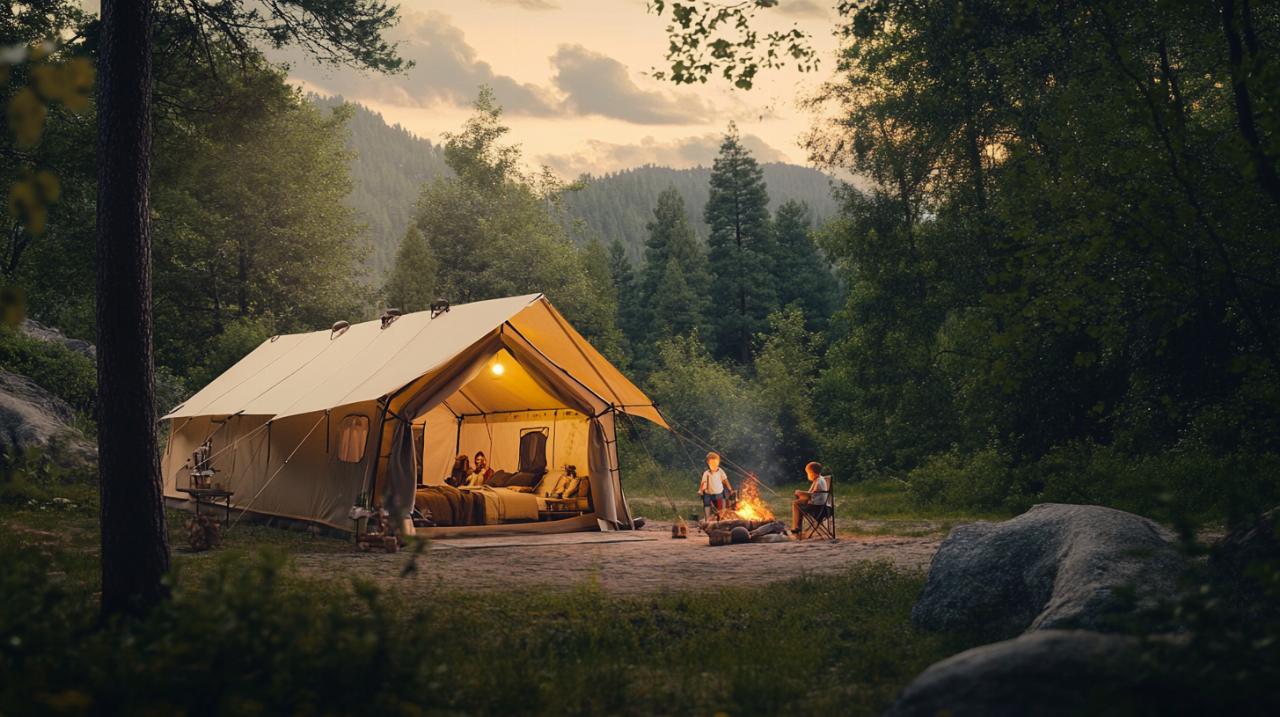
Storage solutions separate exceptional tents from merely adequate ones. Vestibule spaces and porch areas provide essential zones for muddy boots, wet coats, and camping equipment without cluttering sleeping quarters. Many product reviews blog entries highlight how the Vango Beta tunnel construction creates substantial covered storage whilst maintaining compact packed dimensions. Interior pockets, hanging loops, and cable entry points transform bare fabric walls into organised living spaces. The Quest Elite Signature Touareg Bell tent takes this concept further with its circular design offering three hundred sixty degree visibility and ample room for furniture, creating an almost glamping experience that appeals to families transitioning from hotels to outdoor accommodation.
Premium materials and weather protection technologies
British weather demands robust protection, making material selection paramount when investing in family camping equipment. The hydrostatic head rating indicates fabric waterproofing, measuring the water column height material can withstand before leaking. Whilst budget options might offer two thousand millimetres, serious family camping requires minimum three thousand millimetres, with premium models like the Zempire Aerodome achieving an impressive eight thousand millimetres. This substantial difference becomes apparent during prolonged rainfall or exposed locations where inferior materials simply surrender. Polyester flysheets dominate the market due to cost-effectiveness, yet canvas alternatives offer superior breathability and temperature regulation, reducing condensation that plagues synthetic fabrics during cool nights.
Groundsheet construction deserves equal attention, as dampness rising from below proves just as problematic as rain from above. Sewn-in groundsheets create sealed environments preventing drafts and moisture ingress, though they increase packed weight compared to separate systems. The Eurohike Sendero demonstrates how even budget-conscious families can access this feature without breaking the bank. Seam sealing throughout represents another critical specification, with factory-taped seams providing far superior protection compared to models requiring post-purchase treatment. Footprint tarps placed beneath tents extend groundsheet lifespan considerably, protecting expensive fabrics from sharp stones, tree roots, and general abrasion that inevitably occurs during extended seasons.
Pole technology fundamentally affects both setup experience and structural integrity during adverse conditions. Traditional fibreglass poles offer lightweight transport but lack the resilience of steel alternatives, potentially failing during strong winds. Inflatable air beam systems revolutionised family camping, with models like the Outwell Colorado Air and Kampa Bergen employing pressurised tubes replacing conventional poles entirely. Pitching times plummet to ten to twenty minutes with inflation systems, compared to potentially forty minutes wrestling traditional poles through sleeves. The Wild Country Zonda AirFlex poles represent an interesting hybrid approach, combining air technology with ten-year guarantees that reassure families making substantial investments. Modern innovations like the TBS tension band system enhance stability regardless of pole type, distributing stress evenly across structures during challenging weather.
Top considerations when selecting your family’s camping accommodation
Balancing Portability with Living Space and Headroom
The eternal camping compromise between spacious comfort and practical transport challenges every family. Premium tents range from approximately ten kilograms for compact four-person domes to over forty kilograms for expansive canvas bell tents accommodating double-digit occupancies. Realistic assessment of vehicle capacity prevents embarrassing car park moments where tents simply refuse to fit despite optimistic packing attempts. The TentBox Lite roof tent offers an innovative solution for families prioritising convenience, eliminating ground setup entirely whilst maximising interior vehicle space for other equipment. However, this approach sacrifices the generous living areas that make extended camping trips genuinely comfortable rather than merely tolerable.
Pitching complexity varies enormously across tent types, with implications for arrival routines and potential frustration levels. Dome configurations generally prove quickest for small groups, whilst tunnel designs like the Vango Sierra Air balance reasonable setup times with superior space efficiency. The Fanttik model achieves remarkable sub-one-minute erection through pop-up technology, though this convenience typically compromises weather resistance compared to properly tensioned traditional structures. Practicing tent pitching at home before departure proves invaluable, transforming potentially stressful campsite arrivals into smooth operations. Many premium models accommodate two-person setup, though additional hands certainly accelerate the process and reduce marital tension during those critical first moments establishing camp.
Ventilation systems deserve careful evaluation, particularly for families camping during warmer months or humid conditions. Inadequate airflow creates condensation that soaks sleeping bags and transforms mornings into damp misery. Multiple air vents positioned strategically throughout tents encourage circulation, with mosquito netting preventing insect invasions whilst maintaining airflow. The Berghaus Air range incorporates blackout technology that blocks dawn light for extended sleep, though this feature paradoxically reduces natural ventilation compared to lighter fabrics. Temperature moderators in premium models help regulate interior climates, reflecting heat during summer whilst retaining warmth during cooler periods. Canvas materials naturally excel at breathability compared to synthetic alternatives, explaining their enduring popularity despite weight penalties.
Budget Planning and Long-Term Value for Quality Investment
Family tent pricing spans an extraordinary range, from the Quechua Arpenaz at just under one hundred pounds to premium canvas options exceeding one thousand five hundred pounds. This variance reflects fundamental differences in materials, construction quality, and expected lifespan rather than mere branding exercises. Budget options suit occasional campers making annual weekend trips, whilst families embracing camping as regular holidays benefit enormously from mid-range investments around five to eight hundred pounds. The Berghaus Air six model, despite commanding one thousand three hundred fifty pounds, represents genuine value for committed outdoor families when calculated across anticipated decade-plus usage delivering countless memorable experiences.
Understanding what features justify additional expenditure helps families allocate budgets effectively. Blackout bedroom technology adds approximately one hundred to two hundred pounds but transforms sleep quality for light-sensitive children and teenagers who otherwise wake at five o’clock summer dawns. Inflatable beam systems command premiums over conventional poles yet deliver setup time savings that accumulate substantially across camping seasons. Waterproof ratings beyond five thousand millimetres hydrostatic head provide peace of mind during exposed locations or particularly wet years, potentially preventing ruined holidays that negate initial savings from budget purchases. Detachable awnings and screen rooms extend usable space without permanently increasing packed dimensions, offering flexibility that justifies incremental costs for families with evolving needs.
Maintenance requirements influence total ownership costs beyond initial purchase prices. Premium materials like canvas demand proper drying before storage to prevent mould, requiring space and time that busy families must accommodate. Seam sealer applications every few seasons maintain waterproofing, whilst repair kits address the inevitable small tears and damaged zips that occur during active use. The Coleman Octagon and similar synthetic options require less intensive care, potentially suiting families prioritising convenience over ultimate longevity. Warranty coverage varies significantly, with Wild Country offering ten-year guarantees on certain components compared to standard one or two-year protections. These commitments indicate manufacturer confidence and provide valuable recourse should defects emerge, adding genuine value beyond marketing rhetoric.
Accessories transform adequate camping into genuinely comfortable outdoor living, though costs accumulate rapidly. Heavy-duty tent stakes prove essential for secure pitching, particularly in soft or stony ground where standard pegs fail. The Blue Diamond Hard Ground Tent Pegs address this need affordably at under ten pounds. Groundsheet protectors extend tent lifespan whilst simplifying cleaning, costing thirty to fifty pounds but preventing far more expensive fabric replacements. Power management solutions like the Hi-Gear Mobile Mains Roller enable device charging and electric lighting, bridging the gap between wilderness immersion and practical family needs. Self-inflating mattresses ranging from fifty centimetres wide for compact needs to one hundred forty centimetres for luxurious comfort significantly impact sleep quality, with prices reflecting width, thickness, and insulation properties. Budgeting fifteen to twenty percent beyond tent cost for essential accessories prevents surprise expenses derailing camping plans.