
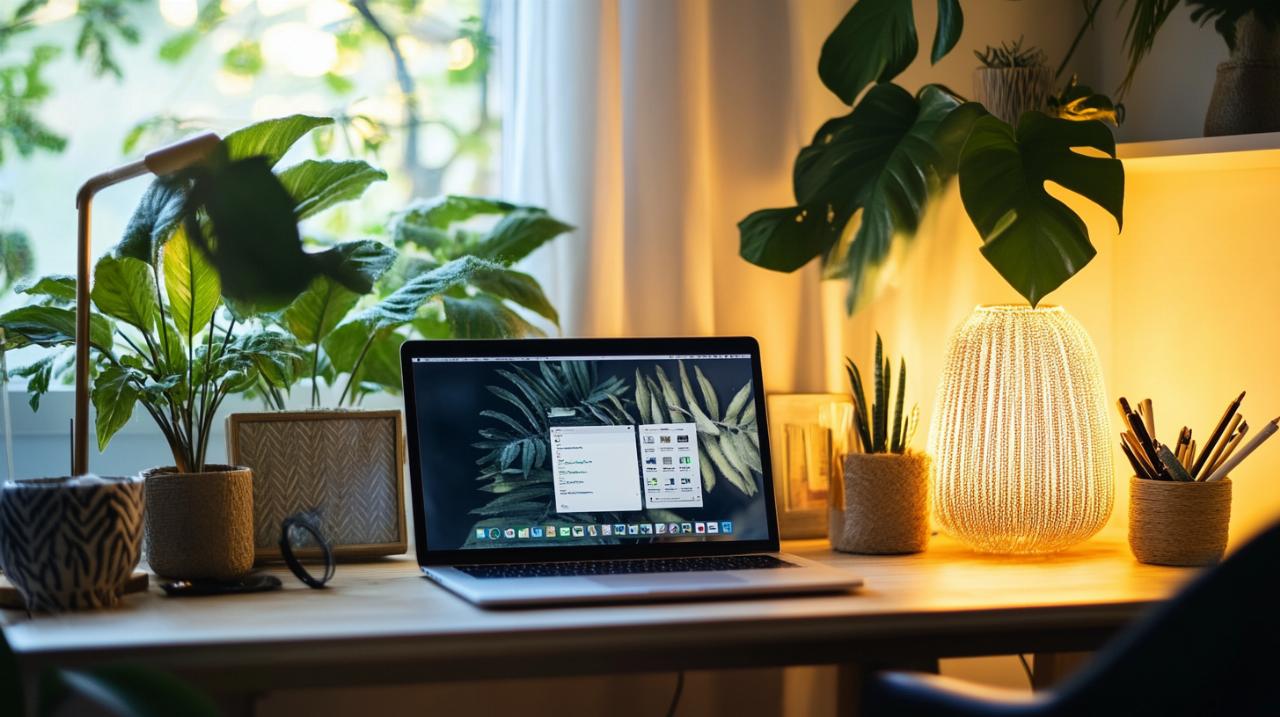
Transforming your love for interiors into a digital platform offers a rewarding opportunity to inspire others whilst championing sustainable practices. A thoughtfully curated blog becomes more than a collection of images; it evolves into a community where eco-conscious design meets creativity, practical advice, and a shared commitment to mindful living. Whether you wish to spotlight vintage treasures, guide readers through upcycling projects, or celebrate handcrafted pieces made from reclaimed wood, your voice can shape how people approach their living spaces with care and intention.
Establishing your decor blog's unique voice and visual identity
Crafting personalised content that reflects your aesthetic vision
Creating a distinctive presence begins with understanding what makes your perspective stand out. Your blog should communicate not just what you admire, but why certain design philosophies resonate with you. Perhaps you gravitate towards rustic furniture crafted in West Sussex or favour organic textiles that soften a room without compromising environmental values. By weaving personal anecdotes and genuine enthusiasm into your posts, you invite readers to see your home as a lived-in narrative rather than a sterile showroom. This authenticity fosters trust and encourages visitors to return for more than just styling tips; they come back for a shared vision of sustainable living.
Living in a space before making major decor decisions helps you understand how natural light shifts throughout the day and which corners see the most activity. This slow decorating approach, rooted in observation, ensures that every choice serves both function and beauty. When you document this journey on your blog, readers gain insight into the value of patience and intentionality. Instead of chasing fleeting trends, you demonstrate how timeless design and quality over quantity create interiors that endure. Highlighting materials like bamboo, cork, and low-VOC paint reinforces your commitment to eco-conscious design while offering practical alternatives that readers can adopt in their own homes.
Building a cohesive brand through sustainable design choices
A cohesive visual identity extends beyond colour palettes and typography; it reflects the ethical practices that underpin your recommendations. Partnering with B Corp certified brands or showcasing businesses that plant trees for every purchase signals to your audience that sustainability is not an afterthought. When you feature handcrafted wooden furniture or modular pieces designed to adapt over time, you reinforce the principle of longevity and flexibility. This consistency builds credibility and positions your blog as a trusted resource for those seeking to reduce their environmental impact without sacrificing style.
Organising content around recurring themes such as waste reduction, repurposing furniture, and energy efficiency helps readers navigate your archives with ease. A dedicated section on sustainable materials might explore the benefits of reclaimed wood, recycled plastic, and organic textiles, while another could spotlight London showrooms or West Sussex workshops where ethical manufacturing takes centre stage. By curating resources and linking to influencers who champion vintage decor or upcycling, you create a comprehensive ecosystem that encourages exploration and informed decision-making. This structure not only enhances user experience but also strengthens your blog's authority within the sustainable home decoration niche.
Engaging Your Audience with Practical DIY Projects and Expert Decor Tips
Creating step-by-step guides for eco-conscious home improvements
Readers crave actionable advice that transforms inspiration into tangible results. Detailed tutorials on upcycling old furniture or repurposing everyday objects empower your audience to embrace creativity without the guilt of contributing to landfill waste. A guide might walk through sanding and refinishing a vintage table, selecting low-VOC finishes, and pairing it with chairs sourced from a local charity shop. By breaking down each stage and explaining the environmental benefits of each choice, you demystify sustainable practices and make them accessible to novices and seasoned DIY enthusiasts alike.
Incorporating expert insights on topics such as natural light optimisation or air quality improvement adds depth to your content. For instance, explaining how light wall colours amplify daylight or how indoor plants purify the atmosphere positions your blog as a holistic resource. When you reference B Corp certified suppliers or recommend brands committed to ethical practices, readers appreciate the vetting you have done on their behalf. This level of detail not only educates but also builds confidence, encouraging visitors to experiment with eco-friendly solutions in their own spaces.

Sharing budget-friendly decoration ideas that inspire action
Sustainable living need not be synonymous with prohibitive costs. Highlighting budget-friendly strategies such as swapping unwanted items with friends, hunting for treasures at vintage markets, or crafting bespoke room design accents from recycled materials demonstrates that mindful decorating is achievable at any price point. Feature posts on free delivery offers across mainland UK or gift vouchers available in various denominations can guide readers towards retailers that align with their values without straining their wallets.
Customer testimonials and positive reviews from clients who have transformed their homes using sustainable methods add a layer of social proof. Sharing stories of individuals who invested in long-lasting furniture or embraced the slow decorating approach reinforces the message that quality over quantity pays dividends in both satisfaction and environmental stewardship. When readers see real transformations and hear genuine praise for designers who prioritise effective communication and timeless design, they feel motivated to take their first steps towards more responsible interiors.
Optimising Your Blog Layout for Enhanced Reader Experience and Navigation
Organising content categories to showcase your favourite decor styles
A well-structured blog invites exploration and reduces frustration. Grouping posts into clear categories such as wooden shelves, fireplace mantels, dining tables, coffee tables, and bedroom inspiration allows readers to locate relevant content quickly. Subcategories could drill down into specific materials like cork or bamboo, or focus on themes such as rustic furniture or modular furniture that adapts to changing needs. This taxonomy not only improves discoverability but also signals the breadth of your expertise.
Visual consistency across your blog reinforces your brand identity. High-quality images of handcrafted pieces, styled in real homes rather than sterile studios, convey authenticity and relatability. Accompanying captions that explain the provenance of materials or the story behind a particular artisan further enrich the narrative. When readers understand the journey from sustainable materials to finished product, they develop a deeper appreciation for the craftsmanship and environmental considerations involved.
Implementing user-friendly features that keep visitors coming back
Beyond organisation, interactive elements such as newsletter subscriptions, free designer calls, or room styling packages encourage ongoing engagement. Offering a chance to win a gift voucher or access to exclusive content rewards loyal readers and fosters a sense of community. Clear contact options, including phone numbers and email addresses, demonstrate transparency and accessibility, reassuring visitors that support is available should they wish to explore bespoke room design services or seek advice on sustainable brands.
Regularly updating your blog with fresh insights on the latest interior design trends, profiles of sustainable living influencers, or guides to reducing waste ensures that your platform remains dynamic and relevant. Highlighting ethical practices, showcasing customer reviews with average ratings, and linking to privacy policies and terms of service build trust and comply with best practices. When readers perceive your blog as both a source of inspiration and a reliable guide to eco-conscious choices, they are more likely to share your content, recommend your platform, and return for future guidance on creating healthy environments that honour both wellbeing in interior design and the planet.